Why Talent Acquisition Needs a Seat at the Strategy Table

In today’s rapidly evolving business landscape, companies are defined by their talent as much as, if not more than, their products or services. Yet, in many organisations, Talent Acquisition (TA) is still viewed as a transactional function: filling roles, reviewing resumes, scheduling interviews. While these operational tasks are essential, they barely scratch the surface of TA’s true strategic potential.
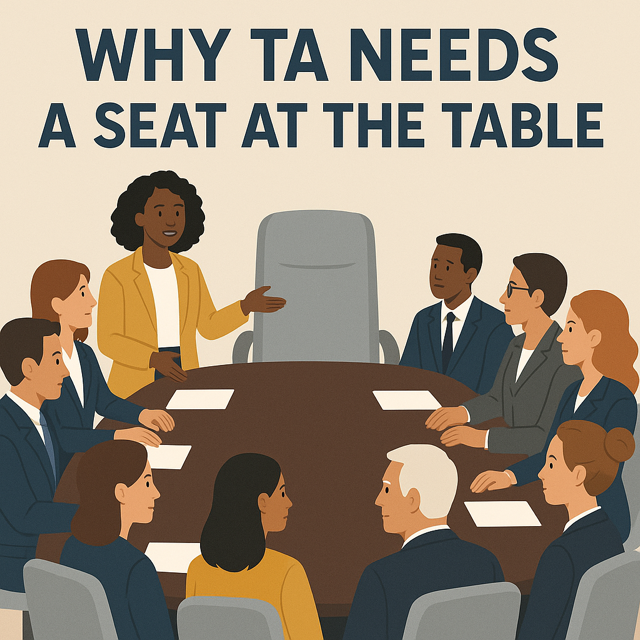
If businesses are serious about growth, innovation, and staying ahead of the competition, it’s time to give Talent Acquisition a permanent seat at the strategy table.
Talent Drives Strategy Execution
No matter how brilliant your corporate strategy is, it’s useless without the right people to execute it. Whether you're expanding into a new market, launching a product line, or shifting to a digital-first model, success depends on having the talent to support those moves.
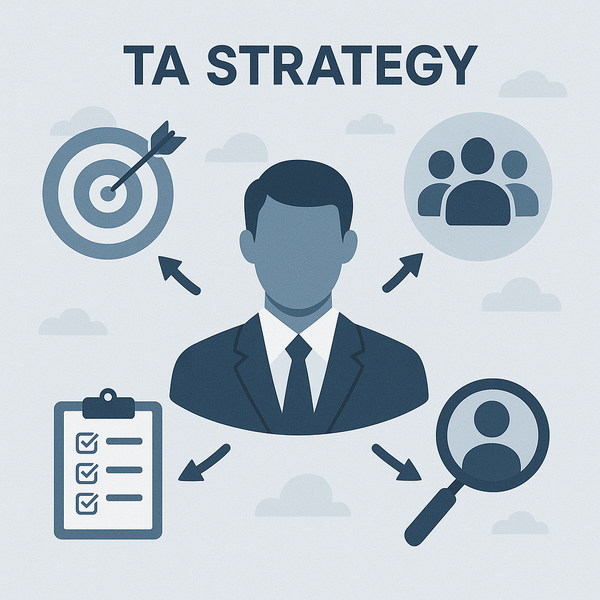
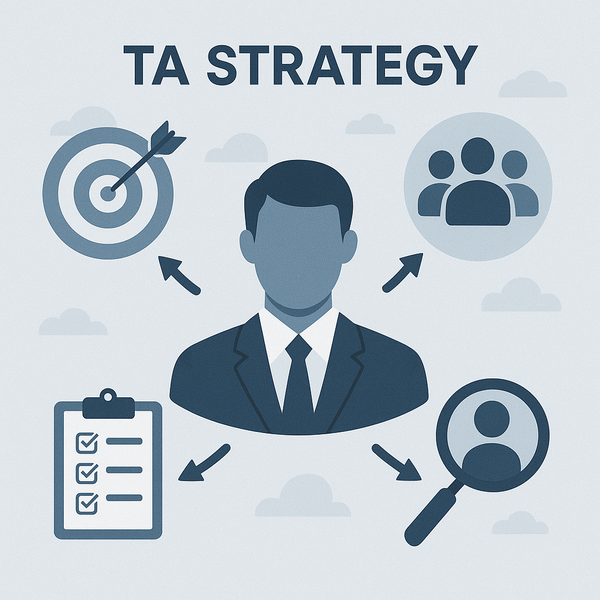
TA teams have their fingers on the pulse of the talent market. They know:
- Which skills are scarce (and expensive)
- Where emerging talent hubs are developing
- How employer branding impacts candidate engagement
- What competitors are offering top talent
Having TA at the table ensures that strategic decisions are grounded in talent realities, not just boardroom optimism.
Hiring Is a Long-Term Investment, Not a Short-Term Task
Hiring decisions made today will impact the business for years. TA leaders bring a forward-looking perspective that goes beyond simply filling current vacancies. They can advise on:
- Building pipelines for future-critical roles
- Investing in diversity and inclusion from the ground up
- Identifying internal mobility and upskilling opportunities
When TA is involved early in business planning, they can help build a talent roadmap that aligns with long-term objectives rather than reacting to immediate fires.
Informed Workforce Planning Requires TA Insight
Workforce planning is no longer just an HR function; it’s a strategic one. Integrating TA into discussions about growth, budget, and resource allocation means leadership gains a more realistic understanding of:
- Time-to-hire for niche skills
- Market availability for key roles
- Cost per hire and its budgetary impact
- Risks of talent shortages or turnover
TA leaders bring data and trends to the conversation, helping the C-suite make smarter, data-informed decisions.
The Talent Experience Shapes the Employer Brand
Your employer brand isn’t just a marketing message; it’s what candidates experience from the moment they encounter your company. TA owns that experience.
From job postings to interviews to onboarding, TA plays a central role in how your organisation is perceived. A poor candidate experience can damage your brand, while a thoughtful and inclusive process can elevate it. Strategic discussions about company reputation, values, and brand perception must include the people responsible for shaping how new talent experiences the organisation.
TA Is a Key Partner in Building a Future-Ready Workforce
The skills needed to succeed today may not be the same skills needed tomorrow. With AI, automation, and hybrid work reshaping the workforce, organisations must proactively plan for future talent needs.
TA leaders are uniquely positioned to spot emerging trends, track shifting skill demands, and advise on whether to build, buy, or borrow talent. Their insights can guide L&D programs, tech investments, and leadership development plans.
Final Thought: TA Is Not Just a Service… It's a Strategic Asset
Talent Acquisition is no longer about headcount; it’s about competitive advantage. Treating TA as a transactional function is a missed opportunity. Organisations that bring TA into strategic discussions early and often are better positioned to attract top talent, adapt to market shifts, and build resilient teams.
It’s time to stop asking TA to react to business needs and start inviting them to help shape them.