Shifting from Vacancy-Filling to Strategic Workforce Design

For decades, many organisations have approached hiring as a reactive exercise, filling vacancies when they arise, often under pressure, with little time to think about the bigger picture. This “vacancy-filling” mindset may keep the seats occupied, but it rarely moves the organisation forward.
In today’s fast-changing business environment where technology, customer expectations, and competition evolve rapidly organisations need more than just people in positions. They need the right people, in the right roles, at the right time, aligned with long-term goals. That’s where strategic workforce design comes in.
From Reactive to Proactive
Vacancy-filling is tactical. It’s about solving today’s problem, someone left, and you need a replacement.
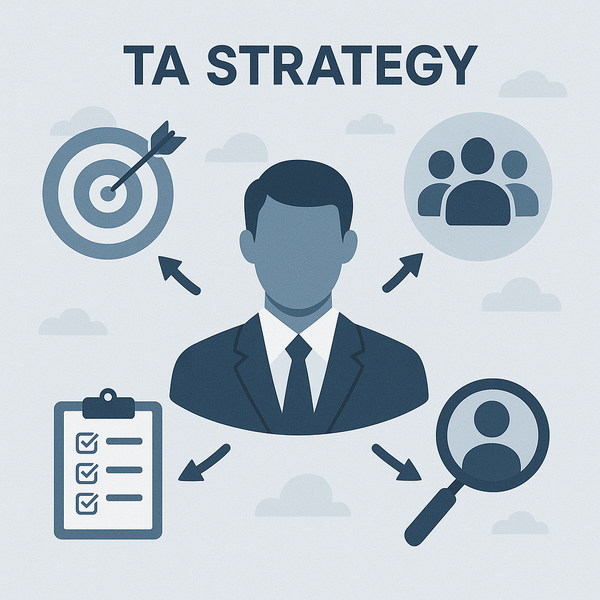
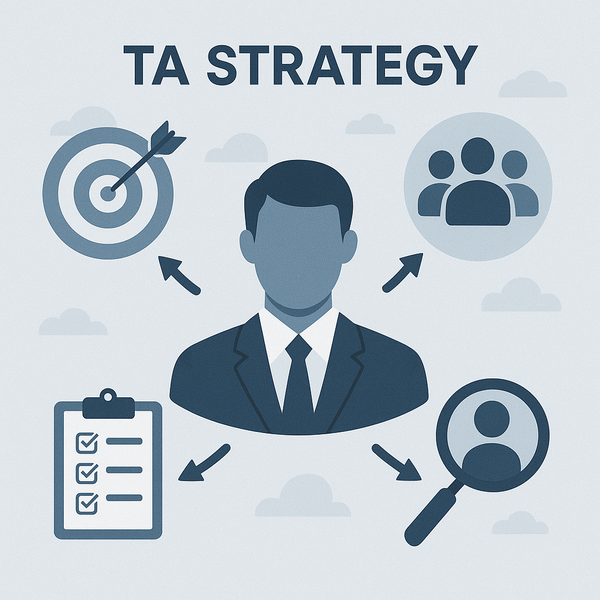
Strategic workforce design is proactive. It anticipates the skills, roles, and organisational structures needed for the future, and deliberately shapes the workforce to meet those needs.
Key differences:
| Vacancy-Filling | Strategic Workforce Design |
|---|---|
| Short-term fix | Long-term plan |
| Focused on replacing people | Focused on aligning talent with business goals |
| Often rushed | Data-driven and deliberate |
| Dependent on immediate market supply | Builds internal talent pipelines |
Why This Shift Matters
- Future-Proofing the Organisation – A well-designed workforce anticipates industry trends and ensures talent readiness before the demand hits.
- Cost Efficiency – Planning ahead reduces the premium costs of last-minute hiring and minimizes turnover.
- Employee Engagement – People thrive in organisations that offer clear growth paths and purpose-driven work.
- Competitive Advantage – The right workforce strategy ensures agility, innovation, and responsiveness in changing markets.
Building a Strategic Workforce Design
- Understand Business Strategy
Workforce design starts with knowing where the business is headed, new markets, digital transformation, operational shifts and mapping the talent required to get there. - Assess Current Workforce Capabilities
Conduct skills inventories, identify gaps, and understand the distribution of talent across functions. - Plan for Future Needs
Use scenario planning to forecast potential changes in demand, technology, and skills. - Develop Talent Pipelines
Build internal training, mentorship programs, and succession planning to reduce dependency on external hires. - Continuously Review and Adapt
Strategic workforce design isn’t a “set it and forget it” process. Regular reviews keep it relevant.
The Mindset Shift
Transitioning from vacancy-filling to workforce design requires leaders to think of talent not as a resource to replace, but as an asset to strategically invest in. It’s about building capability, resilience, and adaptability into the very fabric of the organization.
In short:
- Vacancy-filling asks, “Who can we get now?”
- Strategic workforce design asks, “Who do we need next and how do we prepare them today?”
Final Thought
In the future of work, those who plan ahead will thrive. Shifting from vacancy-filling to strategic workforce design is not just an HR/Talent initiative it’s a business imperative.