Is Your EVP Actually Resonating With Talent?

Or are you just saying what you think people want to hear?
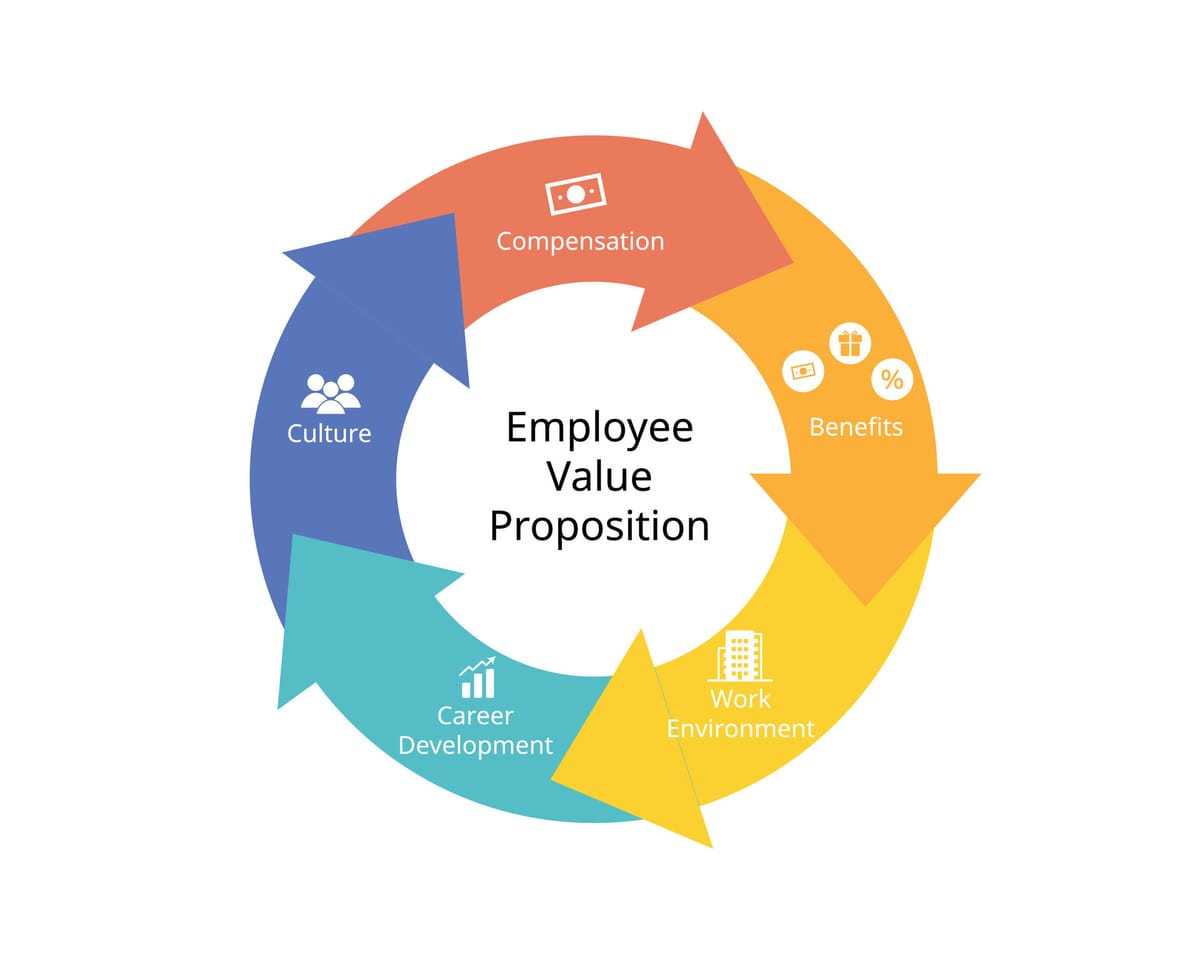
Every organisation claims to have a compelling Employee Value Proposition (EVP). It’s on your website. It’s in your recruitment campaigns. It’s polished, approved, and perfectly branded.
But here’s the uncomfortable truth: most EVPs don’t resonate, because they weren’t built for the people they’re supposed to attract.
The EVP Illusion
Too many companies treat EVP as a marketing exercise, not a mirror. They assemble slick taglines and glossy videos that sound inspiring but feel hollow.
“Empowerment.”
“Innovation.”
“Belonging.”
You’ve seen the buzzwords. You might even be using them.
But when candidates or employees look closer, when they talk to your people, experience your culture, or go through your hiring process, the promise often crumbles. The EVP says “empowered,” but decisions are top-down. It says “flexible,” but remote work still requires approval. It says “inclusive,” but leadership still looks uniform.
Your EVP isn’t what you say. It’s what people feel when they interact with you.
If You Have to Convince, You’ve Already Lost
When your EVP truly resonates, it doesn’t need to be sold; it’s felt. Top talent doesn’t need to be persuaded; they see themselves in your story. If you’re constantly trying to explain or defend your EVP, it’s a sign it’s not landing. Ask yourself:
- Do your employees actually believe in your EVP, or do they roll their eyes when they hear it?
- Is your EVP built on research and listening, or branding and assumptions?
- Does it reflect the real employee experience, or the one you wish you had?
Data Doesn’t Lie, People Do
Surveys, engagement scores, and exit interviews all hold the truth if you’re brave enough to look. What are candidates really saying about your recruitment experience? What are reviews whispering that your boardroom isn’t hearing?
If your EVP doesn’t match the lived experience, the disconnect will show up in your attrition rates, offer declines, and social reputation.
Build It, Don’t Brand It
An EVP that resonates is co-created, not copywritten. It’s shaped through listening, testing, and adapting, not through internal workshops and agency decks.
Start by asking your people what makes them proud and what makes them stay. Then ask what makes them doubt, or leave. The gap between those answers is your real EVP challenge.
The Brave EVP
A brave EVP isn’t afraid to be specific or imperfect. It doesn’t try to appeal to everyone. It tells the truth about what your culture is and isn’t. You might not be the place for those who crave corporate stability, but you are for those who thrive in ambiguity and pace. That honesty attracts the right people and repels the wrong ones.
Because the goal of EVP isn’t universal appeal, it’s authentic magnetism.
The Bottom Line
If your EVP sounds great on paper but doesn’t change hearts, actions, or attraction, it’s not an EVP; it’s a slogan. Talent today has choices, voice, and power. They see through performative branding faster than you can post a job ad.
So here’s the challenge:
Stop asking, “How do we communicate our EVP better?”
Start asking, “Does our EVP deserve to be believed?”
#EmployerBrand #EVP #TalentStrategy #FutureOfWork #PeopleExperience #HRTransformation #AuthenticityInBranding #WorkforceStrategy #TalentAttraction