From Legacy to Leading-Edge: Navigating Organisational TA Change

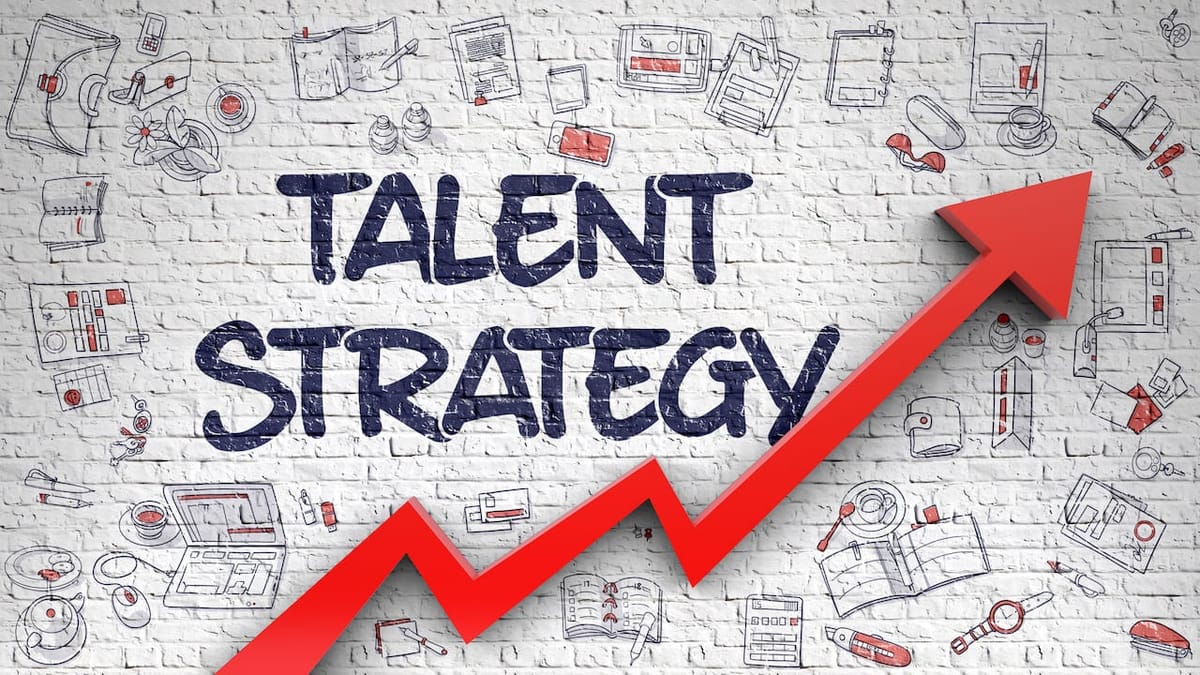
In today’s hyper-competitive talent landscape, Talent Acquisition (TA) is no longer a backend function; it’s a strategic differentiator. Yet, many organisations still rely on legacy systems and outdated practices that can no longer keep pace with evolving business needs. Transitioning from a legacy TA model to a leading-edge function isn’t just about adopting new tools; it’s about driving a cultural and operational shift.
The Cost of Standing Still
Legacy TA systems often come with rigid processes, fragmented candidate experiences, and limited data insights. Recruiters may find themselves bogged down in manual tasks, while candidates face slow, impersonal hiring journeys. The result? Missed opportunities, brand erosion, and a weakened pipeline.
Meanwhile, top talent expects more. They seek speed, transparency, and a connection with purpose. Companies that fail to evolve risk losing the war for talent before it even begins.
Why Transformation Matters
A modern TA function serves as a strategic partner to the business. It doesn’t just fill roles; it forecasts workforce needs, builds proactive pipelines, and delivers a compelling employer brand. But achieving this means transforming not just the systems, but the mindset. Key drivers of TA transformation include:
- Data-driven decision-making
- Enhanced candidate and hiring manager experience
- Diversity, equity, and inclusion goals
- Integration of AI and automation
- Alignment with broader workforce strategy
The Transformation Journey
Navigating organisational TA change requires a structured and people-centric approach. Here are some critical steps:
1. Assess the Current State
Begin by auditing your current TA processes, technologies, and outcomes. What’s working? What’s outdated? Identify pain points from the perspectives of recruiters, candidates, and hiring managers.
2. Define a Clear Vision
Establish what “leading-edge” means for your organisation. Is it about automation? Agility? Experience? Your vision must align with both talent needs and business goals.
3. Engage Stakeholders
Change is never a solo mission. Collaborate with HR, hiring managers, leadership, and even external partners. Secure buy-in early and maintain transparency throughout the process.
4. Leverage Technology Wisely
Modern TA isn’t about buying every shiny new tool. It’s about smart integration. Use AI and automation to reduce friction, streamline workflows, and enhance the human touch, not replace it.
5. Prioritise Change Management
Resistance is natural. Invest in upskilling your team, create champions of change, and communicate the “why” behind every initiative. Support, celebrate, and reinforce new behaviours.
6. Measure and Adapt
Define clear success metrics, time-to-fill, quality-of-hire, candidate satisfaction, etc, and use them to refine your approach. TA transformation is not a one-off project; it’s a continuous evolution.
Leading the Change
Organisations that embrace TA transformation are not just filling roles, they’re shaping futures. They’re attracting the right talent, at the right time, for the right reasons. They’re building more inclusive, agile, and resilient workforces.
The path from legacy to leading-edge isn’t linear, and it won’t happen overnight. But with intention, insight, and a commitment to progress, your organisation can position TA as a true strategic lever for growth.
#TalentAcquisition #RecruitmentStrategy #HiringExcellence #FutureOfWork #WorkforceStrategy #TAInfrastructure #HRTech #DigitalTransformation #ScalableHiringn #RecruitingResilience #AIinRecruiting #AutomationInHR
#SmartHiring #TechDrivenTA #DataDrivenRecruiting #TALeadership #PeopleFirst #StrategicHR #HiringForGrowth #RecruitmentInnovation